Brake Inspection Checklist: What an Auto Brake Service in Pasadena, CA Should Cover
A brake inspection is one of the simplest ways to catch wear before it turns into a safety problem. An auto brake service in Pasadena, CA, usually starts with a close look at every part that slows your car. Knowing what a complete inspection covers helps you ask the right questions and spot a shop that takes the job seriously. This checklist walks through each item a technician should review.
Why a Complete Inspection Matters
A complete auto brake service looks at the whole braking system, not just the brake pads. Your brakes work as one connected system. A worn part in one area can put extra strain on another. Checking every component at once helps catch small problems early, when repairs are usually simpler and less costly.
Brake Pads and Shoes
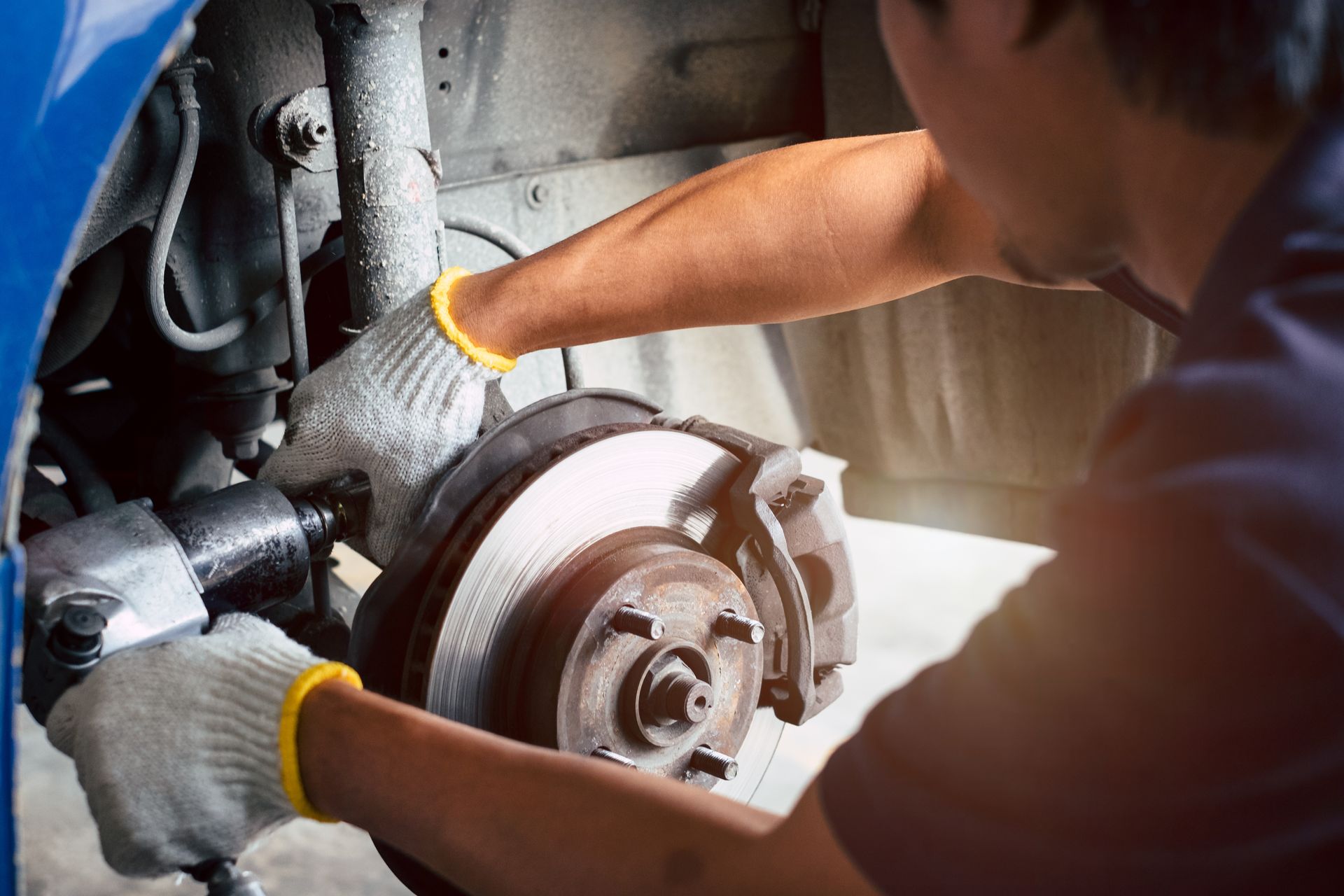
Brake pads wear down slowly with every stop. Thin pads reduce your stopping power, and they can damage rotors once the pad material is gone. A technician should measure the remaining thickness on each pad, look for uneven wear, and confirm that the pads move smoothly in their brackets. Uneven wear can point to a stuck caliper or a problem elsewhere in the system.
Rotors and Calipers
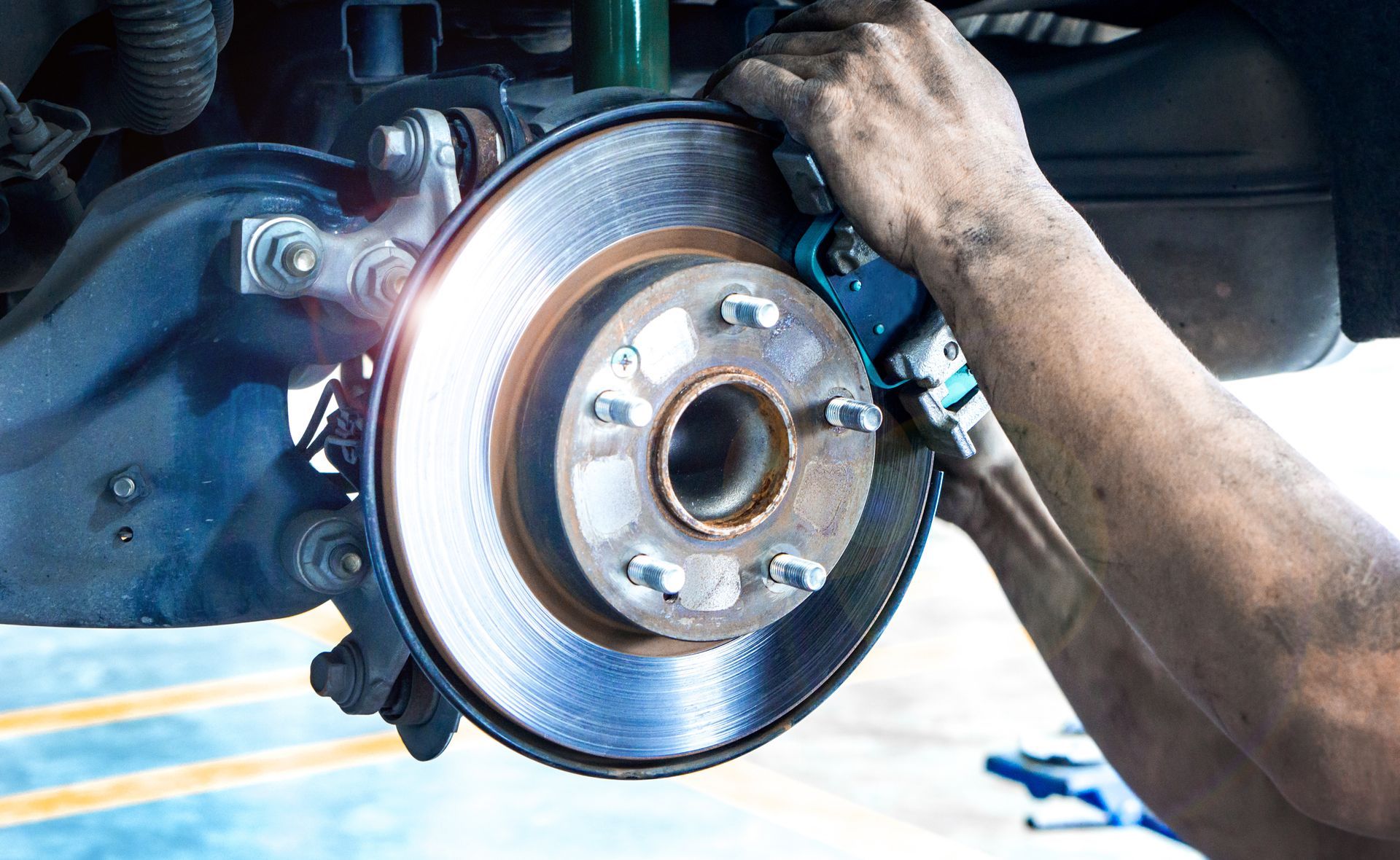
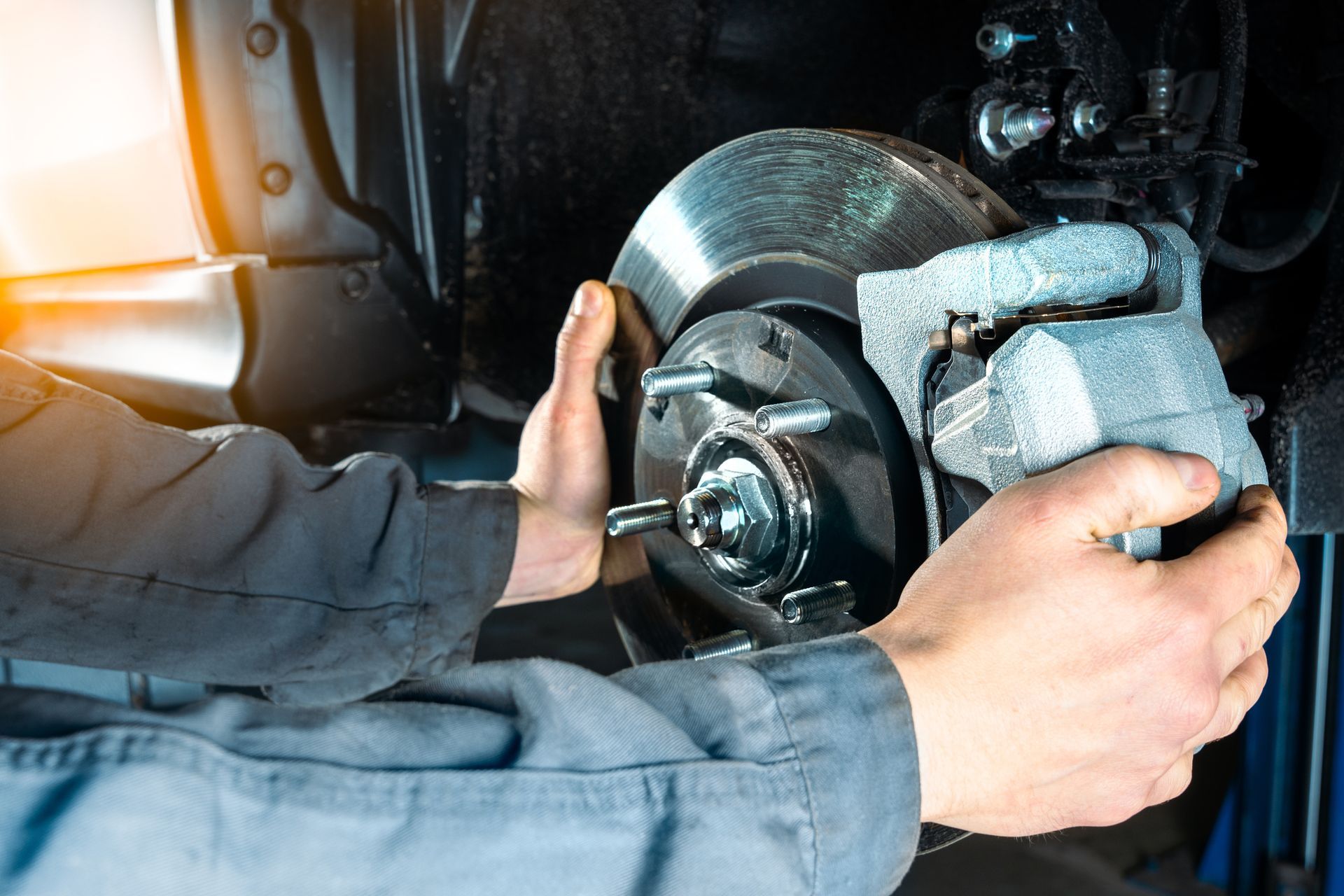
Rotors are the metal discs that the pads squeeze to slow each wheel. Warped or scored rotors can cause vibration, pulsing, or noise when you brake. A technician should check rotors for grooves, heat spots, and thickness below the safe minimum. Calipers hold the pads in place and press them against the rotor. Each caliper should slide freely and should not leak fluid.
Brake Hoses and Lines
Hoses and lines carry brake fluid to each wheel. Over time, rubber hoses can crack, swell, or wear through. Metal lines can rust or develop leaks at their fittings. Even a small leak lowers pressure in the system, which can make the pedal feel soft or spongy. A good inspection checks every hose and line for cracks, bulges, and wet spots near the connections.
Brake Fluid Condition
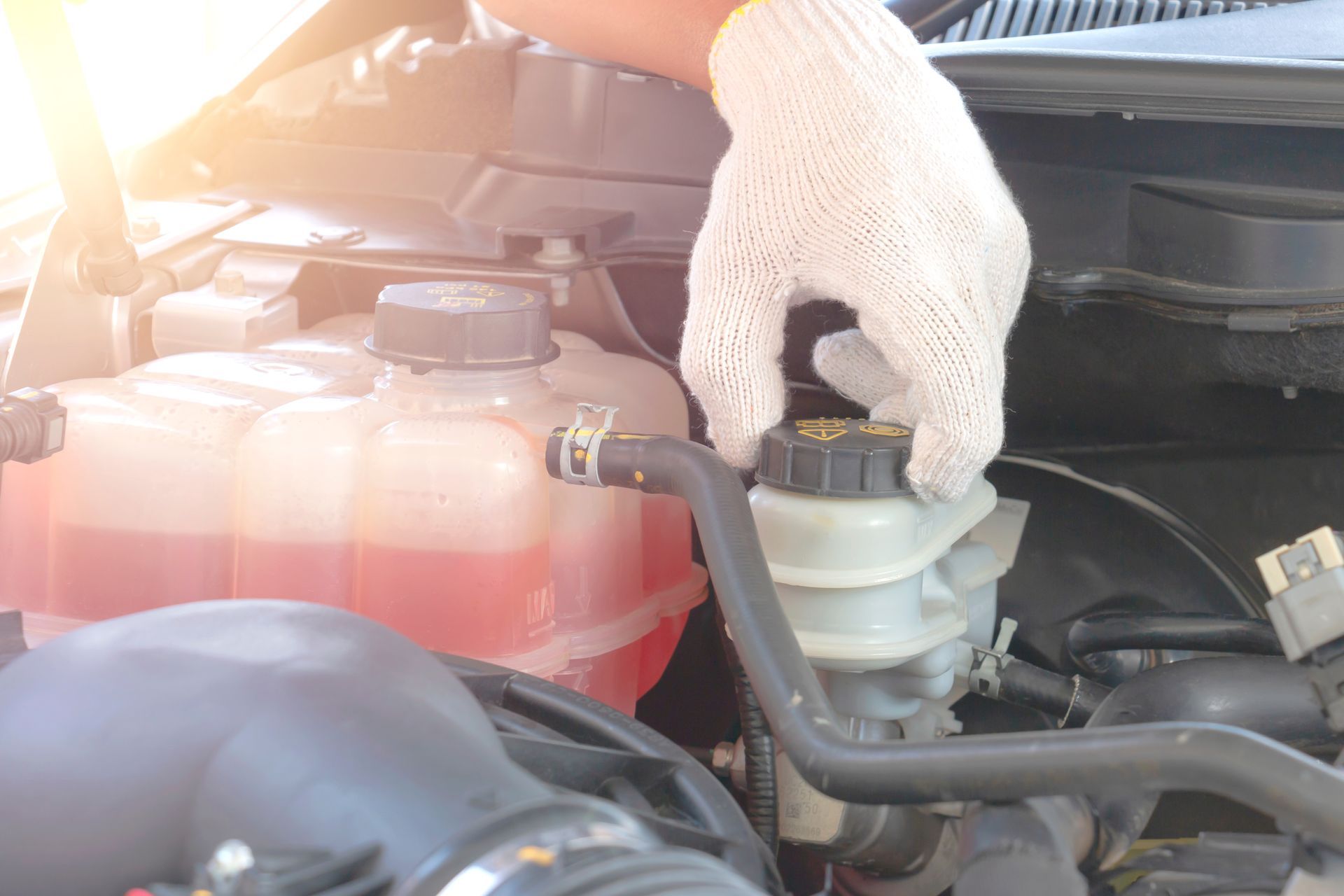
Brake fluid is the liquid that transfers pressure from the pedal to the brakes. It absorbs moisture from the air over time. That moisture lowers the fluid's boiling point and can cause corrosion inside the system. A technician should test the fluid's condition during every auto brake service visit. If the fluid looks dark or fails the test, a fluid flush may be the right next step.
How Driving Habits Change Inspection Timing
Driving habits change how fast brakes wear. Drivers who spend much of their time in stop-and-go traffic use their brakes more often, so pads may need attention sooner. Frequent hard stops and long downhill driving add heat and stress to the system. Drivers who mostly cruise on open roads may go longer between checks. Because every car and driver is different, the best guide is a regular inspection rather than a fixed date on the calendar. Mention your driving pattern when you book, so the technician knows where to focus. A short visit now can save time and money later.
Warning Signs to Watch Between Inspections
Some problems should not wait for the next scheduled check. Squealing or grinding noises when you brake, a soft or spongy pedal, vibration in the steering wheel, longer stopping distances, and a brake warning light all need prompt attention. If you notice any of these signs, schedule a visit soon rather than waiting for a routine appointment.
What Happens During a Brake Inspection Visit
A typical visit follows a clear sequence. First, you check in and describe any symptoms you noticed. Next, a technician inspects the pads, rotors, calipers, lines, and fluid. The shop then explains what it found and recommends any repairs. Work begins only after you approve it. After the repairs, a road test checks that the brakes respond the way they should. Ask any shop offering auto brake service to explain each recommendation in plain language.
Questions to Ask Before You Approve Repairs
Asking a few direct questions can make the visit clearer. Ask which parts are worn and how much life they have left. Ask whether each recommended repair is urgent or can wait. If you want to see the wear yourself, ask for the old parts back. A reputable shop will answer these questions in plain language and give you an estimate before any work starts. Also ask how long the shop expects each repair to last, so you can compare options.
Schedule Your Brake Inspection in Pasadena, CA
Regular brake inspections help you catch small problems before they grow into larger repairs. Vince's Auto Service provides auto brake service in Pasadena, CA, including full inspections of pads, rotors, calipers, hoses, and fluid. If you notice any warning sign, do not wait for your next routine check. You can review our brake service options or contact us to book a visit. Call (626) 792-5879 to schedule today, or find the shop on Vince's Auto Service Google profile